
August 3, 2026
Many Beaverton patients ask a very fair question: can dental implants really last your entire life? It is one of the most important things to understand before committing to this treatment. The short answer is yes — with the right care, dental implants can last a lifetime. But there is more to the story, and Dr. Bradley at Pacific Northwest Dental wants you to understand every detail before making your decision.
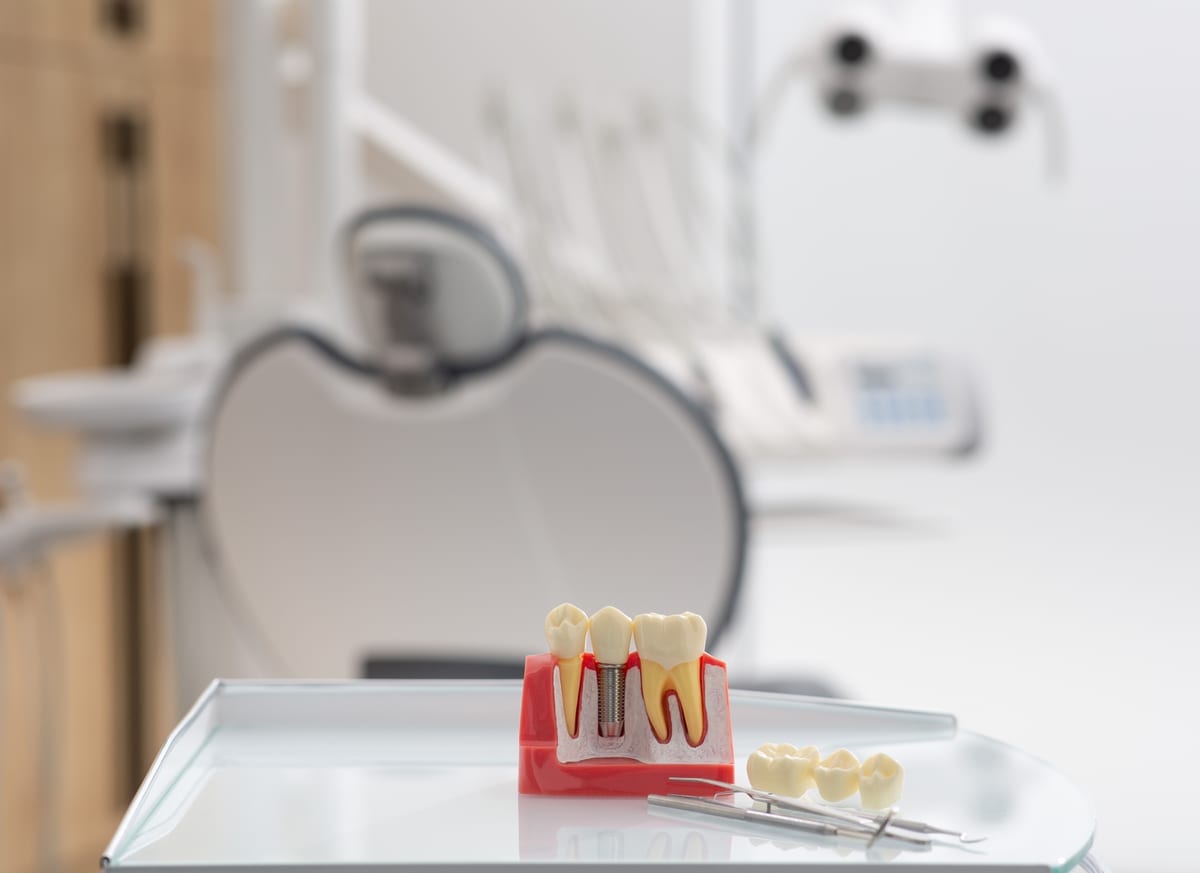
Dental implants are different from other tooth replacement options. They fuse directly with your jawbone through a process called osseointegration. This creates a stable, permanent foundation that mimics a natural tooth root. That biological bond is what makes lifelong durability genuinely possible.
How Long Do Dental Implants Actually Last in Beaverton?
Research consistently shows that dental implants have an impressive track record. Studies report success rates above 95% over a 10-year period. Many patients keep their implants functioning well for 25 years or more. Some long-term patients have had the same implant for over 40 years.
The titanium post — the part surgically placed in your jawbone — is designed to be permanent. It does not decay like natural teeth. It does not break down like denture materials. Under normal conditions, the implant fixture itself rarely needs replacement.
The crown attached to the implant is a different story. Crowns typically last 10 to 15 years before showing wear. They may need replacement due to normal biting and chewing forces. This does not mean the implant has failed — just that the visible portion needs refreshing.
Key Factors That Affect How Long Your Implants Last
Not every implant experience is identical. Several important factors determine whether your implant lasts 15 years or 50 years. Understanding these factors helps you take an active role in your long-term success.
Here are the main factors that influence implant longevity:
- Oral hygiene habits: Brushing, flossing, and rinsing daily prevents infection around the implant site.
- Gum health: Peri-implantitis — a gum infection around an implant — is the leading cause of implant failure.
- Bone density: Sufficient jawbone support keeps the implant stable and secure over time.
- Smoking and tobacco use: Smoking dramatically reduces blood flow and slows healing, increasing failure risk.
- Teeth grinding (bruxism): Chronic grinding places excessive force on implants and can loosen them.
- Systemic health conditions: Uncontrolled diabetes and certain medications can affect osseointegration.
- Placement quality: Skilled, precise surgical placement from the start dramatically improves long-term outcomes.
Dr. Bradley carefully evaluates all of these factors during your initial consultation. Addressing risk factors early gives your implant the best possible foundation for lasting success.
How to Make Your Dental Implants Last a Lifetime in Beaverton
The good news is that most longevity factors are within your control. Daily habits and regular professional care make the biggest difference. A few simple practices can extend your implant’s life by decades.
Follow these proven tips to protect your investment:
- Brush twice daily using a soft-bristle toothbrush and non-abrasive toothpaste around the implant area.
- Floss daily using implant-safe floss or an interdental brush to clean around the post.
- Attend routine cleanings at Pacific Northwest Dental every six months without skipping appointments.
- Avoid hard foods like ice, hard candy, and bones that can chip or stress the crown.
- Quit smoking — even after implant placement, stopping tobacco dramatically improves long-term survival rates.
- Wear a nightguard if Dr. Bradley identifies signs of bruxism during your examination.
These are not complicated steps. They are the same habits that protect your natural teeth. The difference is that with implants, consistent care truly can mean the difference between a lifetime restoration and an early failure.
When Dental Implants May Need Attention or Replacement
Even well-maintained implants can occasionally need professional attention. Knowing the warning signs early prevents small problems from becoming major ones. Dr. Bradley encourages Beaverton patients to speak up at the first sign of anything unusual.
Watch for these signs that your implant may need evaluation:
- Swelling, redness, or bleeding around the implant site
- Pain or discomfort when biting down
- A feeling of looseness or movement in the implant
- Receding gum tissue around the implant base
- Persistent bad breath that does not improve with brushing
These symptoms do not always mean implant failure. Often, early intervention resolves the issue quickly and completely. If you experience a dental emergency involving your implant, Emergency Dentistry Beaverton services at Pacific Northwest Dental are here to help you promptly.
Sometimes patients explore complementary treatments alongside implants. If you are interested in improving the overall appearance of your smile, Cosmetic Dentistry Beaverton options can complement your implant results beautifully. Dr. Bradley takes a whole-smile approach to every patient’s care plan.
Why Beaverton Patients Trust Dr. Bradley for Long-Lasting Implants
Choosing the right dental team is one of the most important decisions you can make for implant longevity. Proper placement technique, thorough pre-treatment evaluation, and ongoing monitoring all matter enormously. At Pacific Northwest Dental, Dr. Bradley combines clinical skill with a genuinely patient-centered approach.
Dr. Bradley takes time to review your bone health, gum condition, and overall health before recommending implants. This careful pre-planning sets the stage for lasting success. Patients in Beaverton appreciate knowing exactly what to expect at every stage of treatment.
After placement, the relationship does not end. Regular follow-up appointments allow Dr. Bradley to monitor your implant health over the years. Early detection of any concern keeps small issues from growing into costly problems.
Conclusion: Your Implant Can Last a Lifetime With the Right Support
So can dental implants really last your entire life? Absolutely — and thousands of patients prove this every day. The titanium post is built to endure. Your daily habits, professional care, and a skilled dental team all determine the final outcome. Beaverton patients who commit to these simple principles give their implants the best possible chance of lasting forever.
Dr. Bradley and the team at Pacific Northwest Dental are ready to help you explore whether dental implants are the right long-term solution for your smile. Book Now to schedule your appointment with our team.
Frequently Asked Questions
Can dental implants really last your entire life in Beaverton?
Yes, dental implants are designed to be a permanent tooth replacement. The titanium post can last a lifetime when properly placed and cared for. The crown on top may need replacement every 10 to 15 years due to normal wear. With good oral hygiene and regular dental visits, many patients in Beaverton enjoy their implants for decades without issues.
What is the most common reason dental implants fail?
Peri-implantitis — a bacterial infection of the gum and bone around the implant — is the most common cause of implant failure. Poor oral hygiene is the primary driver of this condition. Smoking, uncontrolled diabetes, and insufficient bone density also significantly increase failure risk. Addressing these factors before and after treatment greatly improves long-term outcomes.
How often should I visit the dentist after getting dental implants?
Dr. Bradley recommends professional cleanings and check-ups every six months for most implant patients. Some patients with higher risk factors may benefit from more frequent visits. These appointments allow early detection of any changes in gum health or bone support. Consistent professional monitoring is one of the best investments you can make in your implant’s longevity.
Do dental implants require special cleaning products?
Dental implants do not require elaborate special products. A soft-bristle toothbrush, non-abrasive toothpaste, and implant-safe dental floss are sufficient for daily care. Water flossers can also be very effective for cleaning around the implant base. Dr. Bradley will recommend specific tools based on your individual anatomy and implant type during your follow-up appointments.
Is teeth grinding a serious risk for dental implants?
Yes, chronic bruxism — teeth grinding or clenching — places excessive and repetitive stress on implants. Over time, this force can loosen the crown, damage the abutment, or even affect the implant post itself. Dr. Bradley screens for signs of bruxism before and after implant placement. A custom nightguard is often recommended to protect your implants during sleep.